

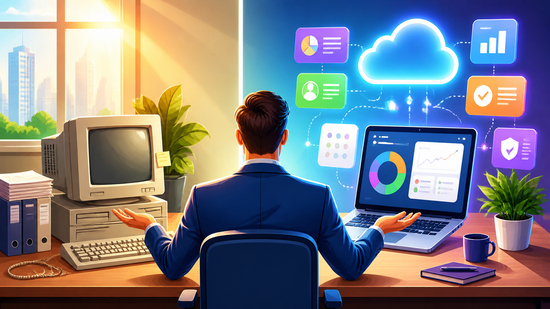
Many businesses run on software built years ago. It still works, but it may be slow, hard to change, or unable to connect with modern tools. At some point, every business has to decide whether to keep it, improve it, or replace it. Legacy software modernization can help, but the right time and approach depend on how much the old system is holding your business back.
What Legacy Software Modernization Means
Legacy software modernization is the process of updating or replacing outdated software so it meets current business needs. This may mean improving the existing system, moving it to a newer platform, or building a new solution.Software becomes “legacy” not just because it is old, but because it no longer supports your business well, is hard to maintain, or has lost vendor support.Signs Your Legacy Software Needs to Be Replaced
Teams usually notice the problem through daily frustration. They rely on workarounds, spreadsheets, or manual steps for basic tasks. The software runs slowly, fails often, or cannot connect with newer tools such as cloud services, mobile apps, or reporting platforms.Other signs are more serious: the vendor no longer provides security updates, maintenance costs keep rising, and few people understand the technology behind it. When these problems affect productivity, security, or growth, it is time to evaluate your options.Modernize or Replace: Choosing the Right Path
The right choice depends on the condition of the system. Think of an old house: if the foundation is strong, a renovation may be enough. If the foundation is failing, rebuilding is the safer choice.Application modernization usually offers three paths: improve the existing system, restructure it by moving it to a newer platform or the cloud, or replace it with new software, either custom-built or ready-made.Improving or restructuring works when the core logic still fits your business. Replacement is better when the system cannot support your processes, cannot be secured, or costs more to maintain than to rebuild.Lentera Technologies builds custom web, mobile, AI and enterprise software for growing businesses.Explore Our Software ServicesThe Hidden Cost of Keeping Legacy Systems
Keeping legacy software can look cheaper because there is no new project to pay for. But the costs are often hidden: maintenance, downtime, manual work, security risks, and opportunities lost because the system cannot adapt. Compare the cost of modernization with the cost of staying where you are over the next few years, not just today’s expense.Modernizing Without Disrupting Your Operations
Legacy system modernization works best when it is planned in stages. Start by assessing your current system: what it does, which processes depend on it, and where the biggest problems are.Next, prioritise what affects your business most, modernize in phases instead of switching everything at once, and plan data migration carefully. Running old and new systems side by side during the transition can also reduce risk.Making the Decision
If your software slows your team down, limits integrations, creates security concerns, or costs more every year, it is worth evaluating now. The goal of legacy software modernization is not new technology for its own sake, but software that supports how you work today and how you plan to grow.Not Sure If It’s Time to Modernize?
Every legacy system is different, and the right answer depends on how your software supports your business today. Book a free consultation with Lentera Technologies to discuss your current system, the challenges your team faces, and whether modernizing or replacing makes more sense for your goals.Discuss Your Legacy SystemFrequently Asked Questions
What is legacy software?
Legacy software is older software a business still depends on but that no longer meets its needs well. It may be slow, hard to maintain, hard to connect with newer tools, or no longer supported.What is the difference between modernizing and replacing legacy software?
Modernizing improves or restructures the existing system, while replacing means building or buying new software to take its place. The right option depends on how well the current system still fits your business.How long does legacy system modernization take?
It depends on the size of the system, how many tools it connects to, and how much data must move. Working in phases keeps the business running and the timeline manageable.Is application modernization expensive?
It can need a significant upfront investment, but compare it with what the old system costs each year in maintenance, downtime, and manual work. Phasing the work can also spread the cost.What do you need to start a legacy software assessment?
Share what the system does today, the problems your team faces, the tools it connects to, and your timeline. That is enough to begin a useful conversation.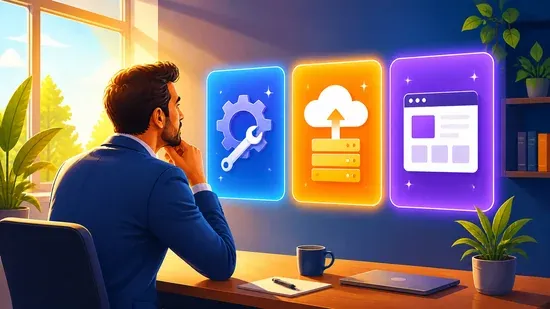
Build Smarter. Move Faster.
At Lentera Technologies, we help businesses turn ideas into intelligent digital solutions through AI, automation, custom software, enterprise applications, and modern technology.
AI Solutions | Automation | Predictive Intelligence | Smart Workflows
Lentera Technologies
Building smarter digital solutions for tomorrow.