



Introduction
In today’s fast-paced business environment, organizations must continuously improve efficiency, collaboration, and decision-making to remain competitive. Digital solutions have become essential tools for modern workplaces, helping businesses streamline operations, reduce manual effort, and empower employees to perform at their best. From automation and real-time communication to data-driven insights, digital technologies are transforming the way organizations work and achieve their goals.
Centralized Information Systems
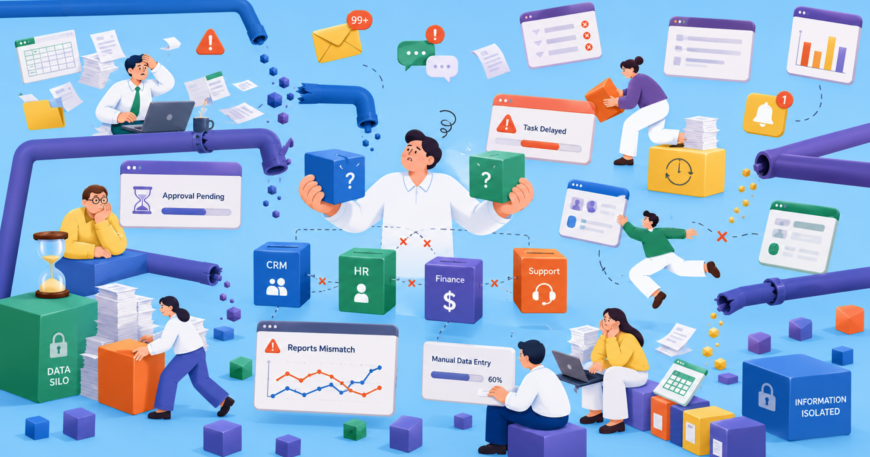
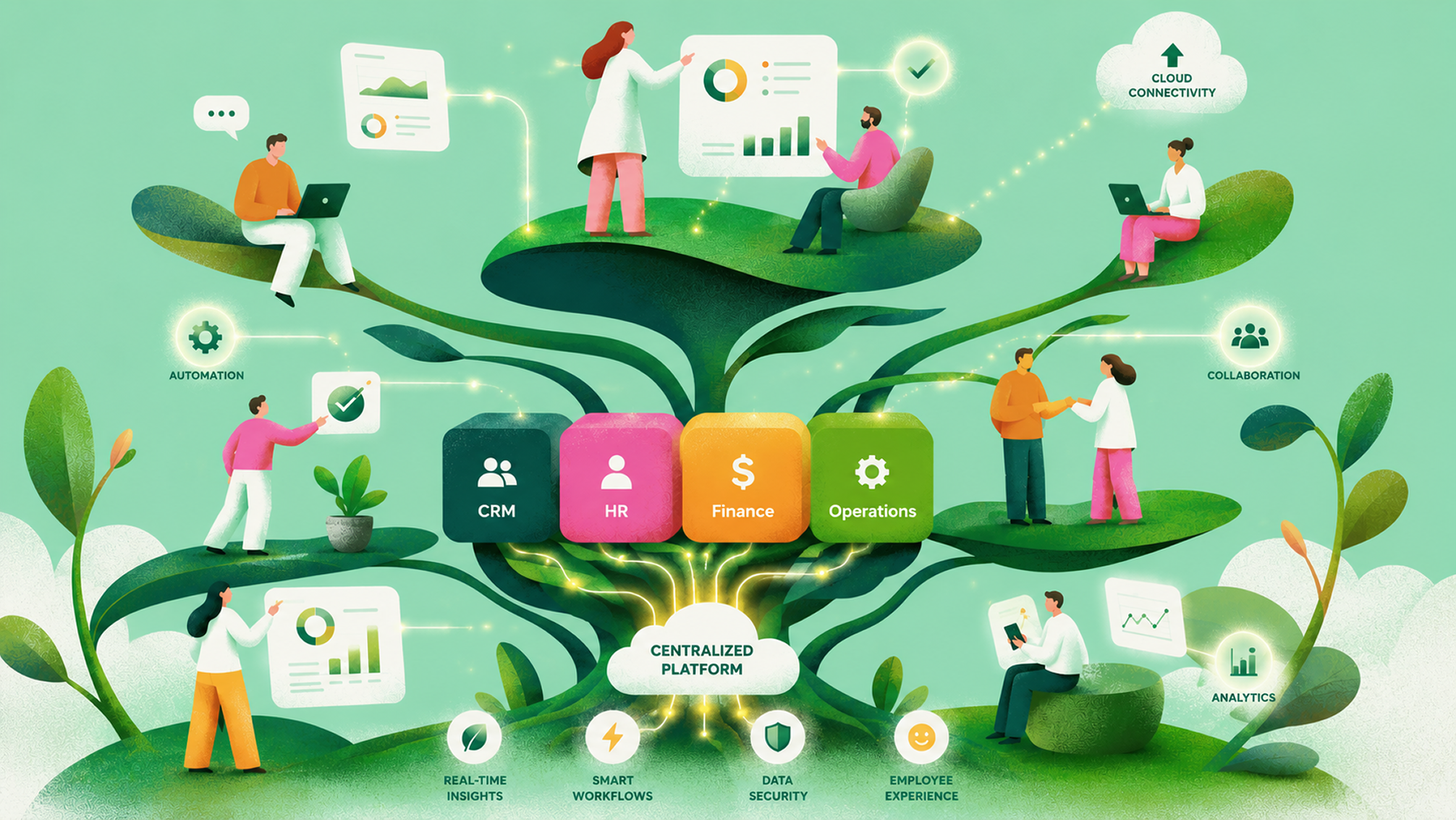
One of the biggest challenges organizations face is managing information spread across multiple platforms and departments. Centralized information systems bring all critical business data into a single, accessible location. Employees can quickly retrieve documents, customer information, reports, and operational data without wasting time searching through different systems. This improved accessibility enhances productivity, reduces errors, and ensures that everyone works with accurate and up-to-date information.
Enhanced Collaboration
Modern digital tools enable seamless collaboration regardless of location. Cloud-based platforms, project management systems, and communication tools allow teams to share information, collaborate on documents, assign tasks, and track progress in real time. Whether employees are working from the office, remotely, or across multiple locations, digital solutions foster better teamwork, improve transparency, and help projects move forward more efficiently.
Automation of Routine Tasks
Many workplace activities involve repetitive and time-consuming processes such as data entry, approval workflows, report generation, and scheduling. Digital solutions automate these routine tasks, reducing the burden on employees and minimizing the risk of human error. By automating administrative processes, organizations can save valuable time, increase operational efficiency, and allow employees to focus on higher-value activities that require creativity, problem-solving, and strategic thinking.
Real-Time Monitoring and Analytics
Access to real-time data is critical for making informed business decisions. Digital solutions provide dashboards, reports, and analytics tools that offer instant visibility into key performance indicators, operational metrics, and business trends. Managers can monitor performance, identify bottlenecks, and address issues before they impact productivity. Data-driven insights also help organizations optimize processes, allocate resources effectively, and continuously improve their operations.
Improved Employee Experience
Employee satisfaction plays a significant role in workplace productivity. Digital solutions simplify daily tasks, improve communication, and reduce workplace frustrations caused by outdated or inefficient processes. Self-service portals, digital workflows, and intuitive applications make it easier for employees to complete their work and access the resources they need. A positive employee experience leads to higher engagement, better morale, and increased productivity across the organization.
Scalability and Future Readiness
As businesses grow, their operational needs become more complex. Digital solutions provide the flexibility and scalability required to support organizational expansion without significantly increasing administrative workload. Cloud-based platforms and integrated systems can adapt to changing business requirements, ensuring that organizations remain agile and prepared for future challenges and opportunities.
Conclusion
Digital solutions are no longer optional—they are a key driver of workplace productivity and business success. By centralizing information, enhancing collaboration, automating routine tasks, providing real-time insights, and improving employee experiences, organizations can create a more efficient and productive work environment. Businesses that embrace digital transformation position themselves for sustainable growth, improved performance, and long-term success in an increasingly digital world.